





































Ambassador Mr. Rashad Novruz
There are dates in every nation’s history that carry a meaning far greater than the numbers on a calendar. They become moments of collective memory, when personal grief and national history converge. For Azerbaijan, 27 September is such a day.
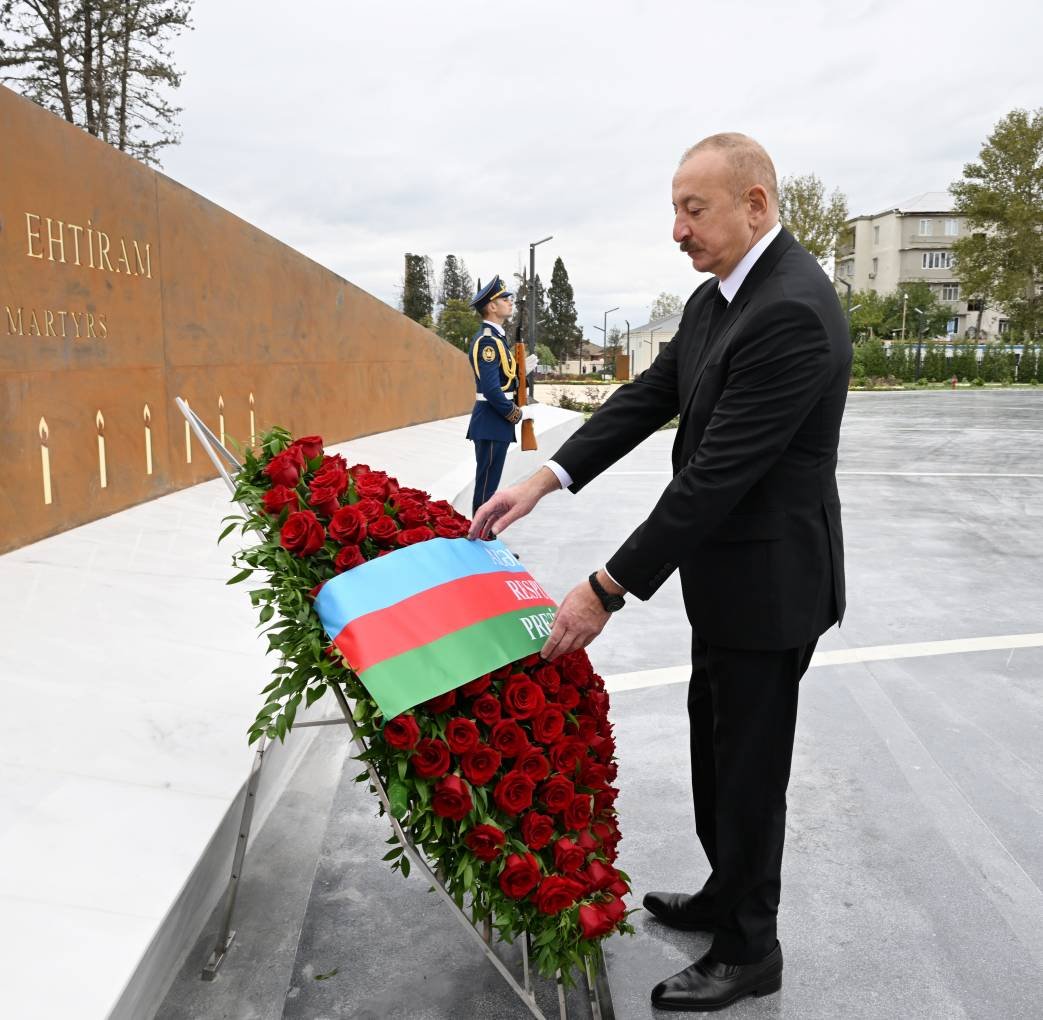
Observed annually as Remembrance Day, (Anım Günü) 27 September honors those who lost their lives in the struggle for Azerbaijan’s sovereignty and territorial integrity, particularly the servicemen and civilians who perished during the 44-day Patriotic War of 2020. The day was formally established by Presidential Order on 2 December 2020.
27 September marks the beginning of the 44-day war and is a day of remembrance, gratitude and reflection on the human cost of conflict. Remembrance Day is therefore not a celebration of war, but a solemn tribute to those who made the ultimate sacrifice.
For nearly three decades, Azerbaijan pursued a peaceful settlement to the conflict through negotiations, including those facilitated by the OSCE Minsk Group. Four UN Security Council resolutions adopted in 1993—822, 853, 874 and 884—called for the immediate and unconditional withdrawal of Armenian forces from Azerbaijan’s occupied territories. Yet these resolutions remained unimplemented for decades, while hundreds of thousands of displaced Azerbaijanis continued to await the opportunity to return to their homes.
The 44-day war of 2020 fundamentally changed the situation on the ground. Azerbaijan restored control over significant parts of its internationally recognized territory, while the subsequent events of September 2023 resulted, in the restoration of its constitutional order throughout the country. These developments brought the decades-long conflict to a new stage and created conditions for renewed efforts toward peace.
Following the military phase, President Ilham Aliyev initiated a peace process with Armenia. After several rounds of negotiations, the two sides initialed the Agreement on the Establishment of Peace and Inter-State Relations between the Republic of Armenia and the Republic of Azerbaijan in Washington, on 8 August 2025, with US facilitation. Azerbaijan regards the agreement as a foundation for a new relationship between the two neighboring states, based on mutual recognition of sovereignty and territorial integrity. The Azerbaijani government has also identified changes to provisions in Armenia’s constitutional framework as necessary before the final signing of the agreement.
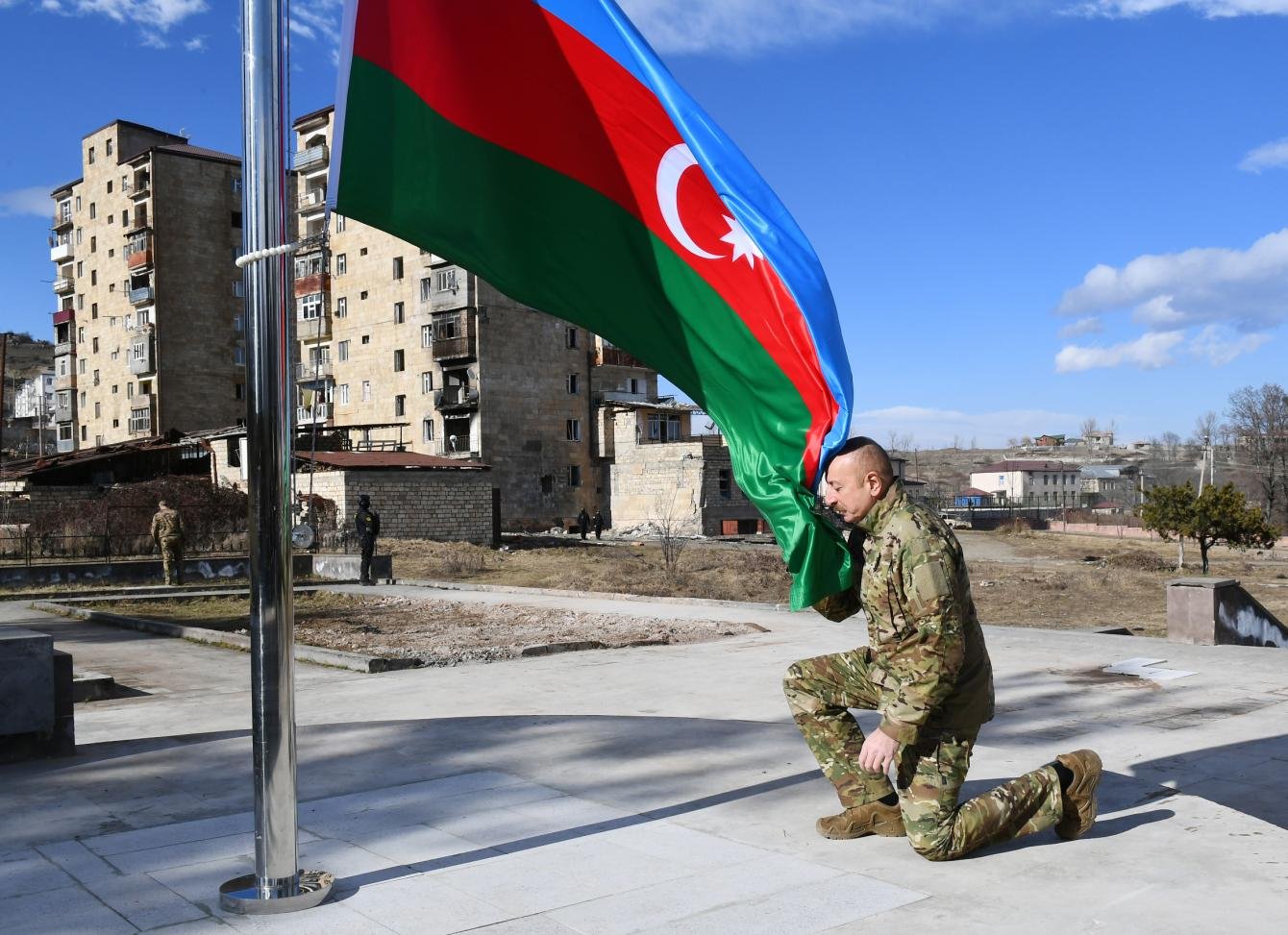
Peace, however, is measured not only by diplomatic documents but also by the ability of people to return safely to their homes. Following the liberation of the formerly occupied territories, Azerbaijan launched its large-scale “Great Return” reconstruction programme. Thousands of displaced families have already returned to rebuilt towns and villages, including newly developed “smart” settlements. More than USD 13 billion has been invested in reconstruction and rehabilitation, according to the Azerbaijani government.
Yet the legacy of the conflict remains profound. Landmines continue to pose a serious humanitarian challenge across the liberated territories. Azerbaijan has intensified demining operations, drawing primarily on its own resources while receiving support from international partners. The continuing threat has cost civilian lives, delayed reconstruction and complicated the safe return of displaced families.
Another unresolved humanitarian issue is the fate of thousands of missing persons. Approximately 4,000 Azerbaijani citizens remain unaccounted for from the First Karabakh War. Following the restoration of Azerbaijani control over the formerly occupied territories, mass graves were discovered and the remains of numerous missing persons were recovered and identified, bringing long-awaited answers to some families. Further cooperation between the relevant parties and international humanitarian institutions remains essential to establish the fate of those still missing.
Thus, 27 September is both a day of remembrance and a reminder of the responsibilities that follow conflict. Azerbaijan honors those who sacrificed their lives for the country’s sovereignty and territorial integrity while looking toward a future defined not by war, but by peace, reconstruction and regional cooperation.
The memory of Azerbaijan’s fallen sons and daughters remains deeply rooted in the national consciousness. Their sacrifice is remembered with profound respect, and their devotion to the Motherland continues to hold a special place in the country’s modern history.
May God have mercy on all our martyrs.